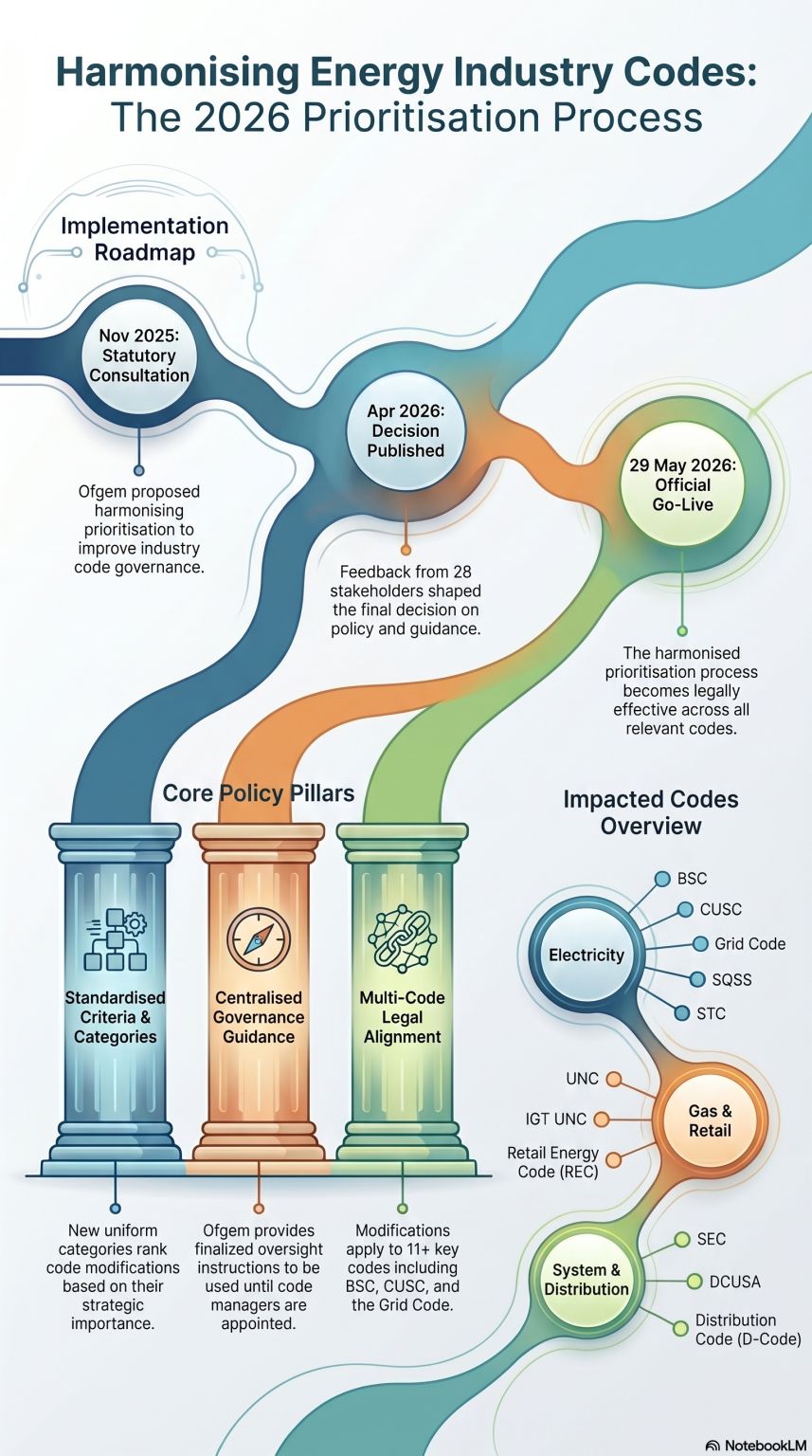
A continuous complaint about the UK energy system is the time it takes to get changes made and how this stifles innovation. There are a dozen codes from as many different organisations.
In this context bringing energy products to market is a tedious task. Many fly-by-night organisations don’t bother and play in the grey zone of what is and what is not regulated.
The result is questionable consumer protection, higher costs, and delays to our progress to net zero.
The government and Ofgem have decided that enough is enough, and this week Ofgem announced its plan to implement powers granted to it in the 2023 Energy Act to direct regulatory bodies on what they should do. They’re moving fast and their guidance will be implemented next month.
The hope is that the Strategic Direction Statement from Ofgem provides a unified narrative that all codes can get behind, and there’s always the threat that Ofgem will mandate changes if the code regulators don’t move.
Lack of regulatory stability is cited when people are asked about what is holding back investment in the UK, so this may help to provide greater certainty.
Who’s losing out in this new structure?
Industry participant consensus was the basis of the old slow process, now they are mostly removed, and code manager boards are moving to majority independents. These are also the people that need to implement the outcome of the regulation changes. It remains to be seen whether they will be as willing to implement changes that they didn’t get the chance to vote on.
This also clears the ground for further simplification of the regulatory landscape, and maybe one day, hopefully a move to a more principles based regime.