This phrase is often used just before retiring a treasured product or abandoning a fundamental principle. Perhaps it is time to do the same with the Supplier Hub model?
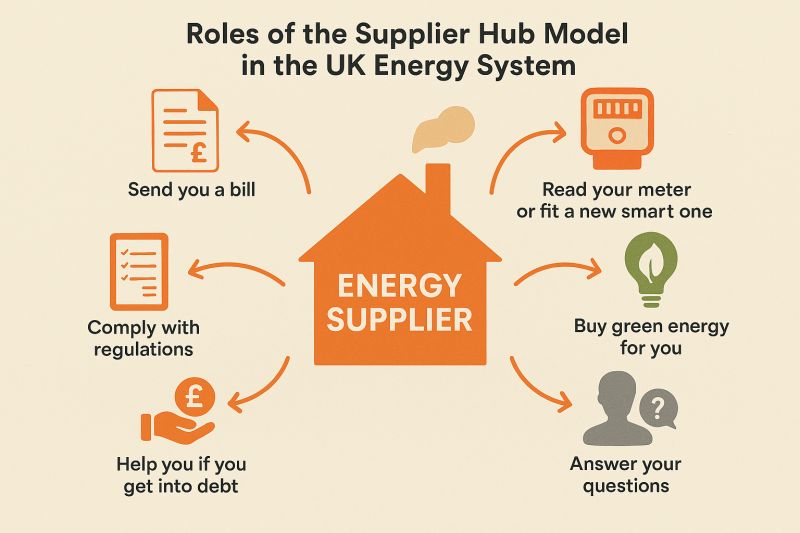
Your energy supplier does everything for you; all you have to do is pay the bill. They will read your meter, or fit a new smart one, buy green energy for you, comply with regulations, help you if you get into debt, answer your questions and more. You shouldn’t need to go elsewhere.
But the model is under threat from regulatory liberalisation, technological decentralisation, market fragmentation, and new business‑model competition: New entrants want a direct relationship with consumers to provide ‘as-a-service’ offerings such as EV charging, changes in the balancing market now allow ‘Asset Meters’ that can be controlled by Virtual Lead Parties that are not your main supplier, local and peer to peer markets are emerging, and consumers with solar panels and batteries require less power and use it at off peak times which reduces supplier revenues. Ofgem has described the Supplier Hub model as a barrier to innovation.
And the suppliers haven’t been making much profit from this model, their prices are mostly fixed yet they carry the risk of buying energy on the wholesale market where prices can be volatile.
Risks to consumers are increasing as system complexity grows. How can they be certain that the flexibility provider that they have signed up to and bought a £10k battery from will honour the deal in 2 years’ time? What happens when enough houses have batteries that there is no longer a day-night price arbitrage to cover the cost of the battery? How can those in fuel poverty not get exposed to higher prices because they are not playing in the new way?
There are fundamental questions to be answered about the way consumers will interact with this new market. Current protections don’t sufficiently cover and are not sufficiently sophisticated to manage this new world. We need to consider the consumer impact in all market design decisions.