Methane (CH4) is also known as natural gas, it’s the stuff we heat our homes with and cook our turkeys. The amount of methane in the atmosphere has doubled in the past 200 years, whereas CO2 concentration has only increased by 35%.
Methane is 80 times more potent as a greenhouse gas than CO2, and even in smaller quantities it is responsible for around a quarter of all global temperature rises. It remains in the air for about a decade.
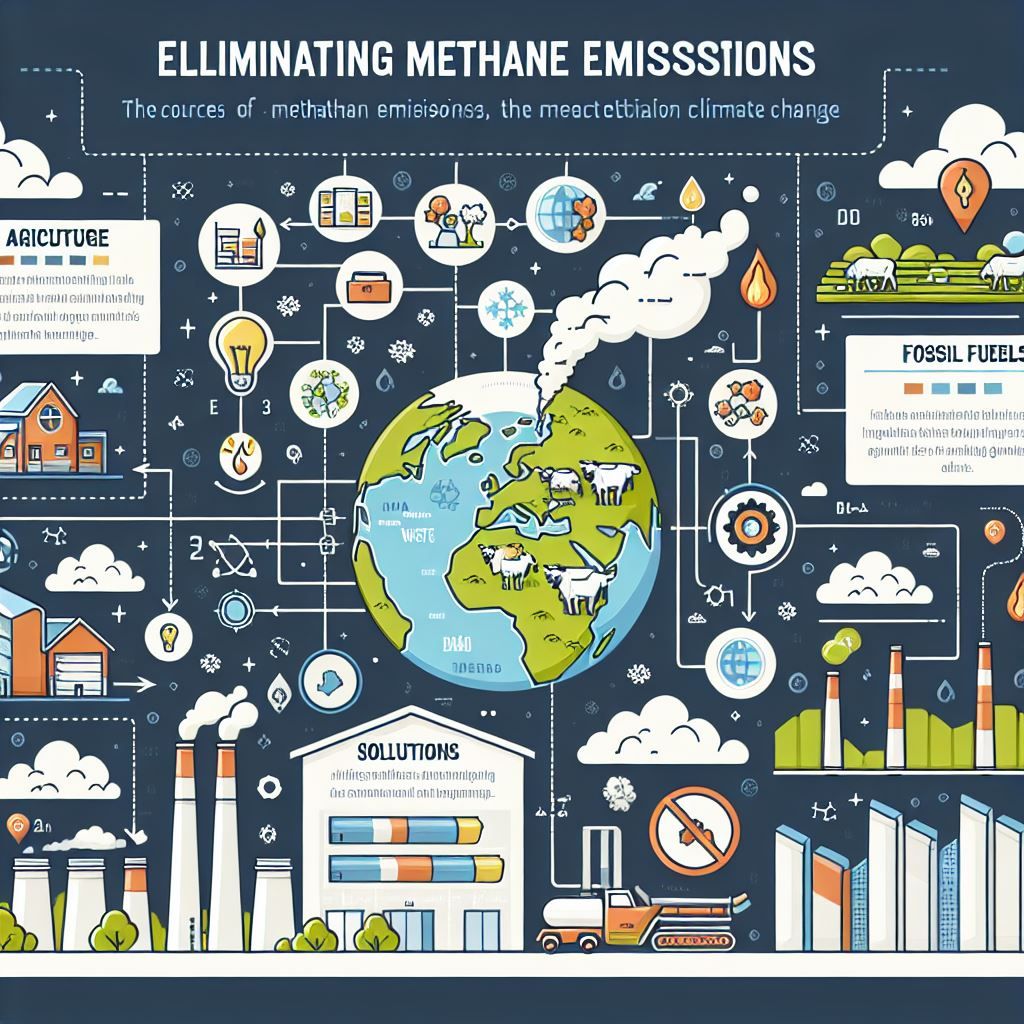
Methane gets into the air in two ways: Firstly, it’s a natural product from decomposing matter, so rotting leaves and swamps account for 40% of emissions. The rest is human related, which is where the cows come in, but also decomposing waste, and a large amount from the oil and gas industry.
The emissions from the oil and gas industry come from venting and flaring. Venting is releasing methane directly into the air, which is a wasteful and bad for the environment. You will have seen flaring from oil rigs, this is the burning of methane. In places like Norway both practices are already banned.
NASA is putting a lot of effort into tracking down sources of methane. They have found 50 ‘super emitters’ venting in places like New Mexico, Iran, Turkmenistan.
Not all methane is bad, and there could be a bright future for biomethane which is produced by controlling the decomposition of organic matter like wood and farm waste, and perhaps in future seaweed to reduce the competition for land. This can be fed into existing natural gas systems to heat homes, and under the right conditions can be considered renewable and is a possible source of clean hydrogen.
We were very successful in eliminating emissions of CFCs into the air, and perhaps a good 2030 objective could be to eliminate methane emissions?