Given that no one seems ready to give up on fossil fuels then we had better start capturing the CO2 produced somewhere safer than the atmosphere.
It’s clearly impractical to directly collect CO2 from cars or houses, so these must be electrified. It’s the large industrial uses of fossil fuels that we should start capturing from – like generating electricity or making concrete.
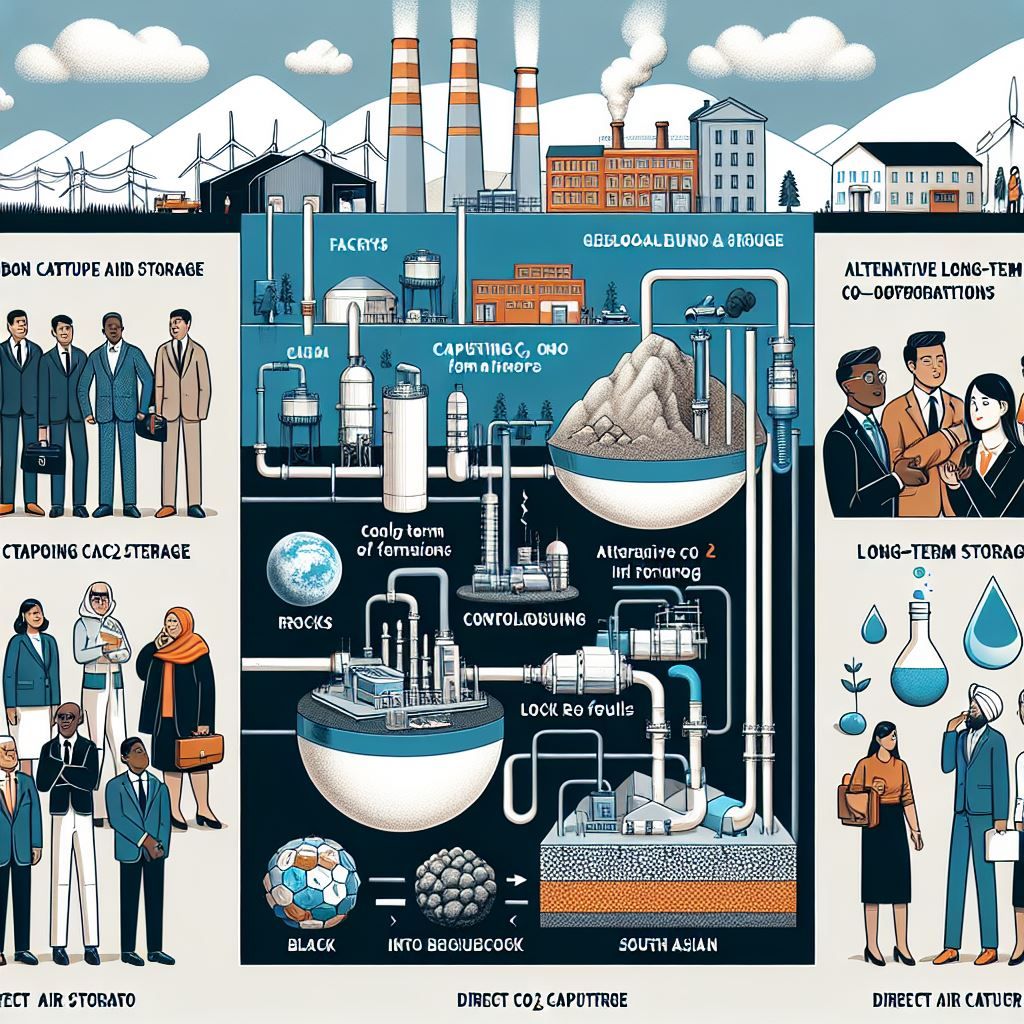
CO2 concentrations in the exhaust flue of a gas fired power station are about 15%. Should we try to extract the CO2 from the flue and store that, or should we store the raw exhaust gasses, but this would be around 7-8 time more gas? We could increase the CO2 concentration by feeding in air with higher levels of oxygen to the burning processes, but that would make the whole plant less efficient. This brings the advantage that at higher concentrations we can liquify or compress it which would be easier to transport.
The oil industry has been pumping CO2 into oil wells for decades to increase the amount of oil extracted. We could store CO2 underground in the same way. Is this safe? The oil industry says it is, many reports of leaking wells suggest it’s not.
Alternative long-term stores could include locking CO2 into rocks or concrete. Using captured CO2 for synthetic fuels is likely to be less efficient than just using kerosene and still releases CO2. There are a few ideas which could delay the release of CO2, like pumping it into greenhouses or sinking seaweed to the depths of the ocean.
Direct air capture has also been suggested, which could offset some fossil fuel uses, but the tiny CO2 concentrations in the air mean that this won’t easily scale to solve our global challenge.
But is this effort going to make any difference? It could cost billions, occupy our brightest brains and engineering talent, and not shift the dial on atmospheric CO2 concentrations?