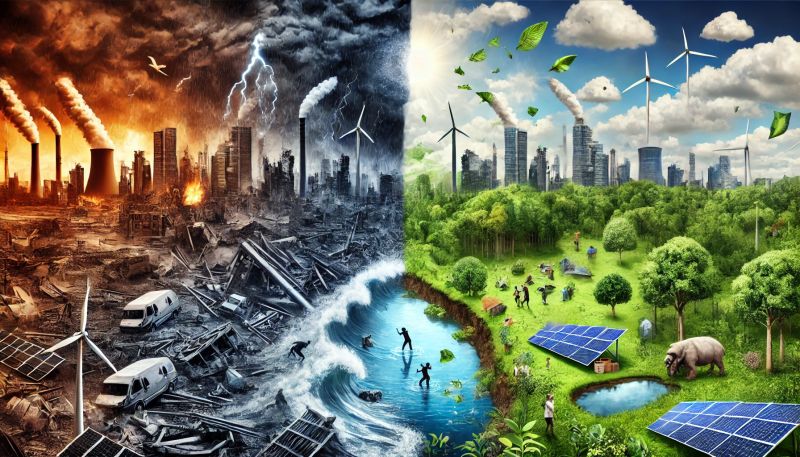
As the hurricane season draws to a close in the US, we can begin to count the cost of the 5 hurricanes that swept through this year. The situation in Europe is equally worrying with catastrophic flooding in Spain, and a second named storm within 10 days due to hit the UK. The cost to people has been immense and the financial cost is estimated at over $200bn.
CO2 traps the warmth, warm air holds more water, leading to more frequent and severe storms.
The Living Planet Report from the WWF reports a 73% decline in wildlife populations since 1970. The reports warns of approaching critical tipping points for the collapse of coral reefs, the Amazon, north Atlantic weather patterns, and northern pine forests. Habitat loss, fuelled by increasing food demand to feed the growing human population is the main driver.
Vast areas of the planet will become uninhabitable, food supply systems will collapse, wars will be fought, and mass migration will result.
Yet life carries on. We all get into our diesel cars and drive to work, we heat our homes with natural gas, fly off to exotic holidays, and build with steel and concrete. Recycling that plastic oat milk bottle isn’t making a difference and doesn’t reverse the damage already done. And there are many that think we are trying to move too fast.
Eco-anxiety is rising, especially among younger generations, who often feel overwhelmed by fears of environmental catastrophe. Activist movements like Extinction Rebellion and Just Stop Oil aim to raise awareness, but their actions receive mixed reactions.
Perhaps a general feeling of helplessness, supresses the panic, ‘what difference can I make?’