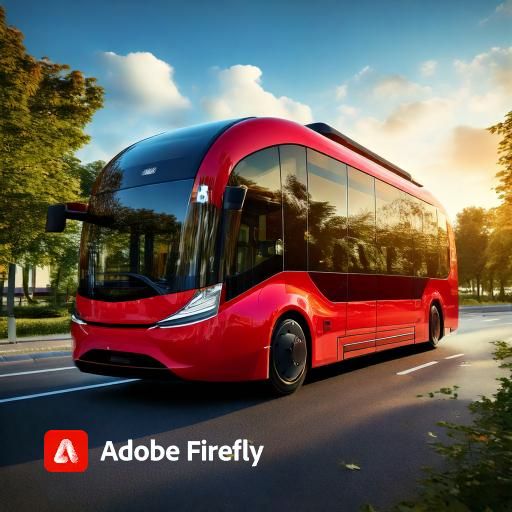
The Number 7 bus route runs into the west end of London dripping water as it goes, with no tailpipe emissions. The result is cleaner air for Londoners and a step towards the future of large vehicles and mass transport. It’s impressive that 60% of busses in London are now hybrid, electric or hydrogen powered.
The 20 strong Hydrogen Bus project has been funded by several bodies, including the European Union, and the Transport for London (TfL). The cost is reported to be £11m. This will need to be used for more busses, or it will look expensive at £550k per bus compared to the normal £300k for a standard red bus.
Hydrogen for the busses is produced in Runcorn, this makes it ‘grey’ hydrogen meaning that its production is not renewable with CO2 emitted. The hydrogen is transported 200 miles to the depot by road, more CO2. The price of clean air for Londoners is more pollution elsewhere.
TfL says that Hydrogen is suited to longer routes with a range of over 250 miles, compared to 150 miles for battery busses. Whilst Metroline who operate the busses say that they are more reliable that their electric cousins.
China is the world leader in decarbonising busses. 500 thousand electric busses account for 95% of all electric busses in the world. Whilst they have some hydrogen busses, they are mostly following a battery route.
The insights from this exercise will be valuable and will help shape the future choices for propelling larger vehicles.