The names of the railway pioneers like Stephenson and Brunel live on in our collective memories and in the names of bridges, stations, and locomotives. They’re famous because of how our lives changed as a result of what they did.
For the past 30 years the energy system has put a lot of thought and effort into avoiding building assets, companies have been rewarded for not building.
This is now a problem…
A programme called Connect and Manage was introduced 15 years ago to connect new assets, like Scottish windfarms, without the need to wait for all wider network enhancements to be made. This got windfarms built quickly but we are seeing increasing network constraints as the wider work has not been built.
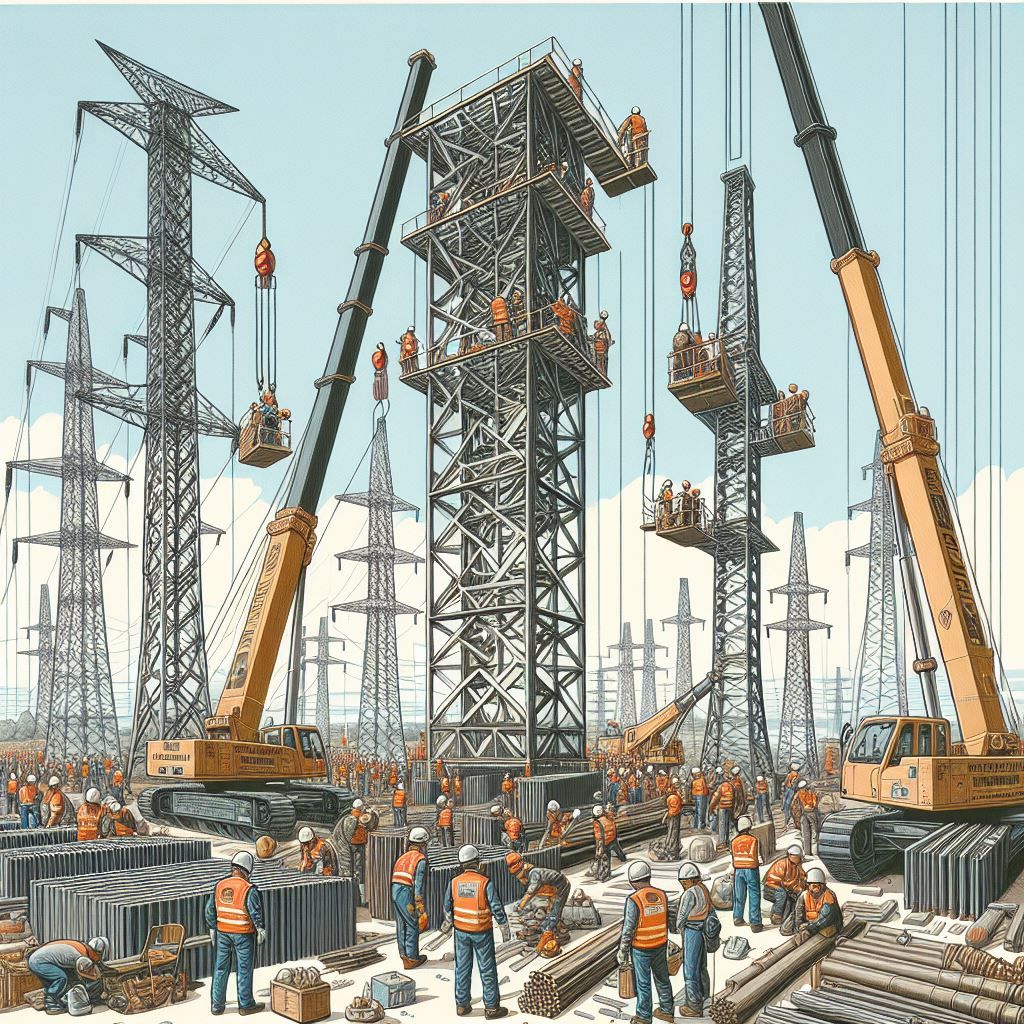
Over the next 5 years “The Great Grid Upgrade” and other investments, such as the Accelerating Strategic Transmission Investment (ASTI), plan to build £24bn of new electricity transmission assets, which is a rate 3-4 times higher than has been built in the past 5 years.
Distribution networks are also being asked to build more and faster. The latest proposals from Ofgem for the next regulatory period, ED3, are towards a presumption of building, whereas previous rounds incentivised avoiding building.
This will require a huge ramp up of the supply chain and the required high voltage skills, with perhaps 55,000 new jobs.
The public aren’t used to seeing new assets being built and need persuading to accept new pylons, they may get paid £250 if they live within 500m of a new asset.
A smarter and more digital grid, with massively increased flexibility services is also needed, but there is now a realisation that this won’t happen quickly enough, or at a large enough scale.
This is a great time for a new generation of Brunels to put their names in the history books as those that build the next generation of the electricity grid.
History won’t be kind to those that don’t build.