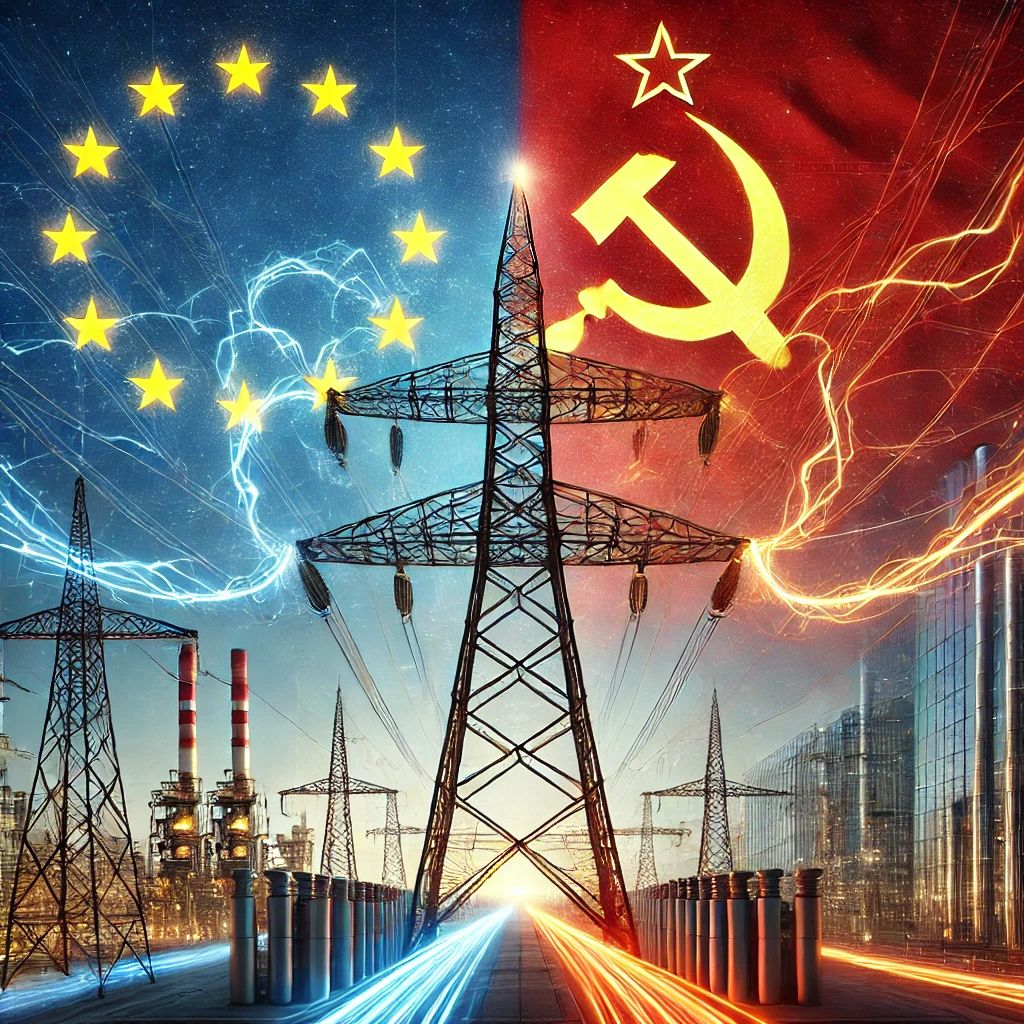
This week three Baltic states switched their grids from synchronising with Russia to synchronising with the EU. The governing body for the European Grid described this as an important step to independence, and an example of European solidarity and cooperation.
A synchronous grid is a geographic area where the entire electricity system is physically connected and runs at the same frequency. The largest is in China, the next largest, at half its size, is the European area, followed by the Eastern US.
Careful coordination is needed to overcome bottlenecks, and if one part of the synchronous grid isn’t putting in enough energy to meet its needs, then the frequency of the whole system drops. In 2018 issues in Kosovo created problems for the whole of Europe.
The benefits can be more resilient and stable grids as demand and supply are balanced over a much larger area, and renewable sources can be used when their supply exceeds local demand.
With greater physical connection of the grids also comes greater integration of markets, high prices in one country can push up prices for another.
It takes a lot of trust to fully integrate real time electricity systems; a shared approach to investment is important, fair behaviours when operating in a shared market are needed to prevent gaming, and a common regulatory rulebook for connecting and using the grid is essential.
Where you get your energy from has always been a political issue and the Baltic states have made a very clear commitment to the EU and a further separation from the USSR.