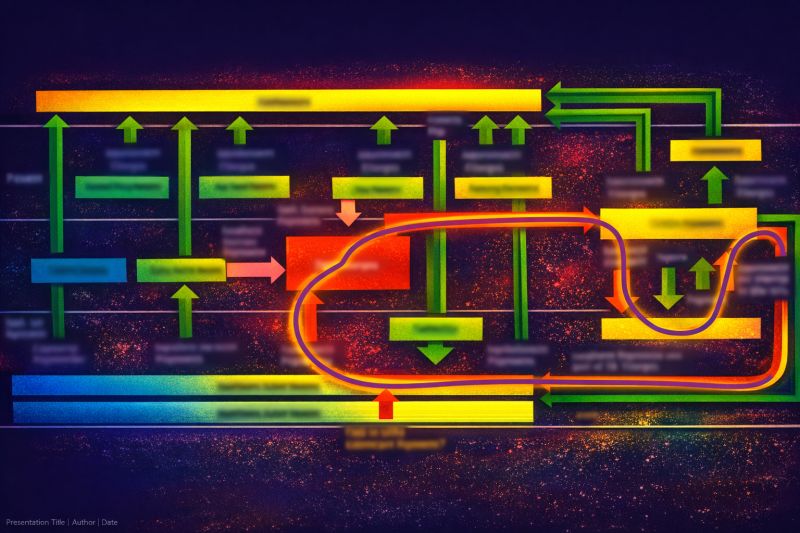
Local flexibility markets are an essential tool in avoiding system issues and additional costs. Some local substations are in danger of being overloaded, so Distribution Network Operators (DNOs) offer payments to consumers to reduce their demand in their area, there are a few ‘turn-up’ services too.
Projections suggest that we will need double the amount of flexibility in just 5 years’ time and nearly ten times current levels by 2050. The market for this is already in the hundreds of millions of pounds and will be in the billions by these dates.
How should the market for this work?
DNOs mostly fund flexibility markets by offsetting the avoided cost of additional investment in their networks, this is ‘flex-first’. But, Ofgem has told them to move away from flex-first and focus on building new assets, so the avoided cost source of funds may soon dry up.
In any case deferral of building new networks feels like the wrong source to fund markets designed to solve operational problems.
Most markets increase prices when demand exceeds supply. We can’t do this in the UK as a decision was taken last year to retain a single national price, and even if Zonal Pricing had been adopted it would not have been the Nodal Pricing scheme need solve very specific local issues.
The Transmission System Operator (NESO) could pay DNOs to help balance the National Grid but it doesn’t feel quite right that a national market should be solving local issues.
Another source could be the Generators. But, unless they are embedded in a DNO region, these don’t generally have an existing commercial relationship with DNOs, so this isn’t the easiest route.
Which leaves the Retailers, who do pay the DNOs Distribution Use of System (DUOS) charges for power supplied to their customers in the DNO’s area. These could have a levy attached which pays for flexibility markets in areas where there are constraints.
DUOS reform is currently on hold but could be the answer to the question of who pays for flexibility markets and might also be the local pricing that Zonal advocates were looking for.