Calling for nationalisation could be an entirely rational response to a lack of trust in networked utilities. Increasing bills whilst profits also increase has led many asking whether infrastructure is being operated in everyone’s interests.
Looking across Europe, many ‘nationalised’ utilities aren’t state-run. EDF, Statnett, Vattenfall are all state-owned, yet all are governed by boards and CEOs with professional management teams rather than civil servants. The government sets the direction the board and leadership teams execute.
The UK government will be reluctant to pay investors to transfer ownership of the assets to the state, ministers don’t have the time to manage every decision, and they certainly don’t have the skills to operationally control the networks. Which leaves provision of capital as a key decision.
Governments can typically borrow money far more cheaply that private companies. Historically the UK government has been able to borrow at 4% whereas companies are more like 7%. The bond market doesn’t much like the state of UK public finances, so as I write government borrowing rates are closer to 6%.
As the UK will invest £100bn in energy networks over the next decade, these percentage points become material on the bill – 3 percentage points is £3bn per year on bills – just less than 10% of bills. Find a cheaper way to finance and bills should be lower.
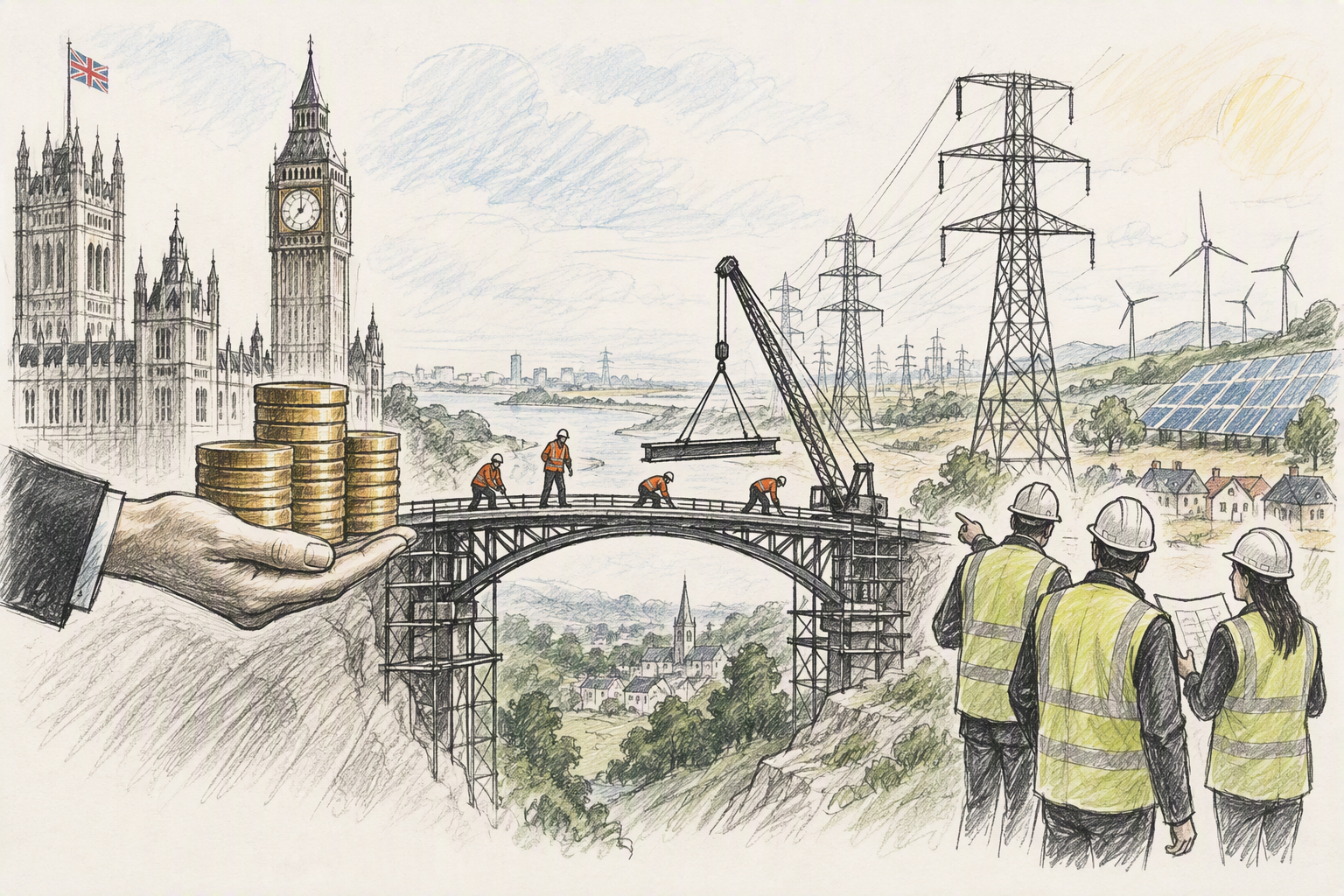
This is where GB Grid could be interesting. Andy Burnham chose his words carefully, he is not promising nationalisation which he cannot afford, he offers control – which he already has through DESNZ and Ofgem, but still setting up GB Grid could make a difference.
I assume that GB Grid won’t go into direct competition with existing providers, if it did capital will be on the first plane out. We know that GB Grid will be part of GB Energy – which was set up to use £8bn of funding from oil and gas revenues to promote low carbon investment. GB Grid could therefore fund (or provide loan guarantees) for projects that NESO defines as strategic, for private firms to design, build, and operate.
GB Grid could provide a ‘third way’ where public capital is mixed with private delivery to combine low-cost government capital with private efficiency. The result could be cheaper for everyone.