There is a version of the energy transition narrative that prescribes storage as the solution to renewables’ intermittency. The logic is that when the sun isn’t out and the wind isn’t blowing, we will use the energy previously stored in batteries, compressed air, hydrogen, and pumped hydro to meet our needs. This is clearly already working - but not you hydrogen (yet!) - and it’s an important part of our current and future system.
But will we ever have enough storage?
I have a home battery that is large enough to cover my electricity use for a day, and when coupled with storage elsewhere on the system, it is conceivable that we could get by for a couple of days. This isn’t long enough to get us through February, but it’s a start.
The issue is that as we switch to renewables, and supply grows ever more intermittent, the need for adequate storage also increases. The greater efficiency offered by a heat pump might help a bit – taking the total energy my house uses to something like 40 kWh per day compared to over 100 kWh with gas – but in a renewables based system I might need up to 4 batteries instead of just one. This could cost as much as £30k, the heat pump itself could cost £10k, and £40k is just too much.
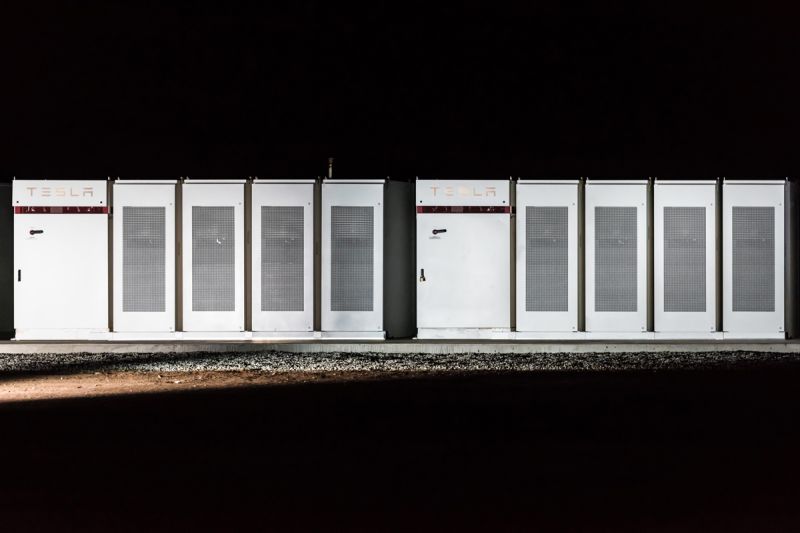
Tesla have installed a very large battery in South Australia which has a capacity of just under 200 MWh. From what I have heard it is doing a good job of stabilising the grid and making money. But this Aussie battery only stores the energy that, on average, the UK uses in gas every 30 seconds.
The assumption when we will ever have enough storage is not sound.
The cost would be trillions of pounds; the current market and economics of batteries doesn’t support this level of investment.
We need to make best use of what we already have; if Tesla allowed me to use the 70 kWh that sits on my drive for 90% of the time it would get me through a couple of days.
The urgent task is whole system design, which requires integrated physical and market design from the house to the transmission system. A design that integrates storage and renewables, shows the role for interconnectors, has a nuclear backbone, and a wholesale and retail market that rewards investment and manages costs to consumers.
Image from Hornside Power Reserve.