Today, consumers get predictable bills based on usage x price plus standing charge.
If consumer bills reflected the dynamics of the electricity system, it could result in lower prices and a decarbonised system. If not, then we’re going to need much larger grids, more capacity, and it will cost more.
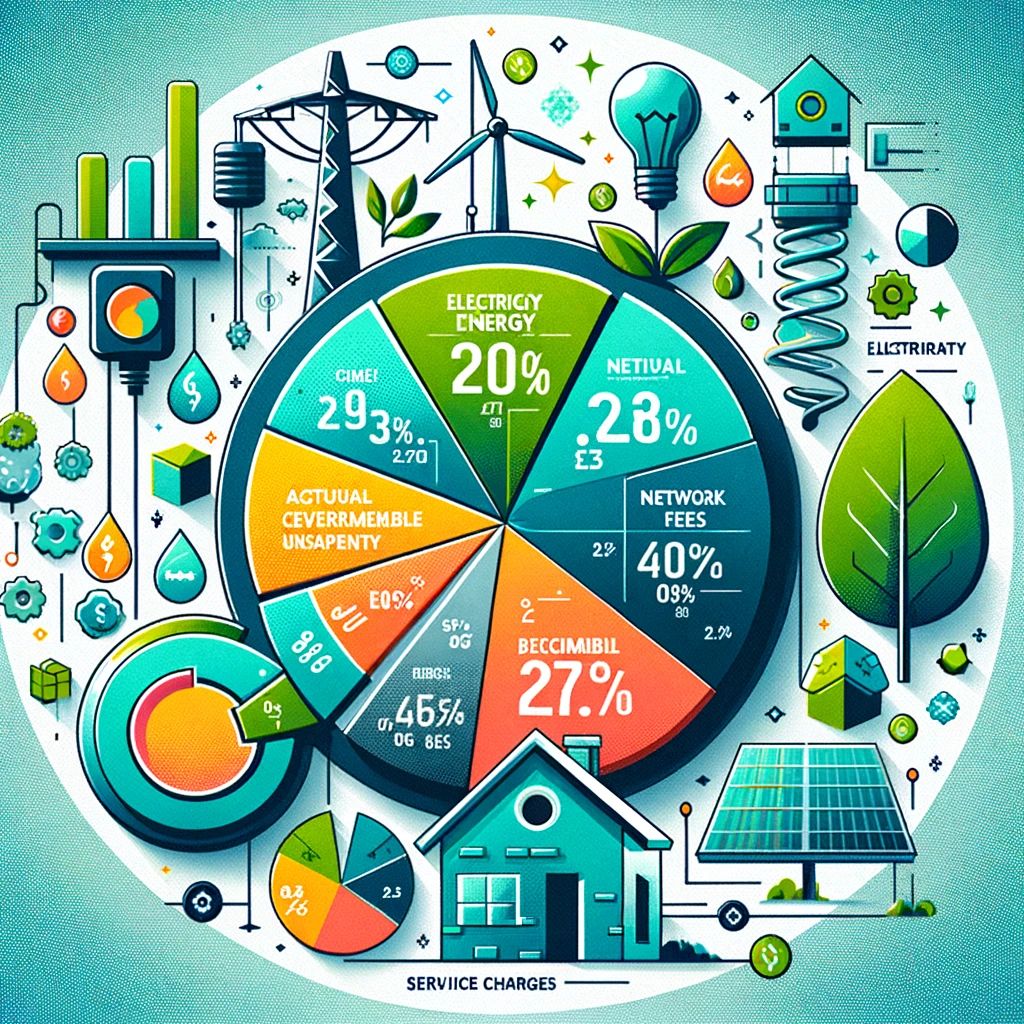
We could split the bill so that consumers pay for:
The generation capacity they need – my house has a capacity 14kW of which I peak about half, so I could buy a share of a £1m x 1MW wind turbine for £7,000, roughly £350 per year for 20 years before financing is considered.
Actual energy used, the wholesale price in past year was about £90 per MW, but we need to consider the weighted cost, so that’s £611 for the average annual use of 2,900 kWh.
Network costs are roughly 20% of the £1600 current bill so that would be £320 per year.
Pollution through the Emissions Trading Scheme (ETS) at £83 per tonne of CO2. Each house results in just less than half a tonne of CO2 – so let’s add £40 to the bill for this.
Then we need to add the costs of metering, billing and customer service, and the limited profits that retailers make, an estimate would be £250 per year.
So far, we’ve totalled up £1,571, but we also need to add VAT at 5% bringing the total to £1,650. The UK electricity price cap is currently £1,690, so we are close.
If we charged people like this, it’s not going to help the impression that our industry is opaque. We can encourage people to shift usage through seasonal time of use tariffs, and to avoid peak periods through flexibility schemes.
So, for the time being we are stuck with the system we have and a set of ‘nudge’ mechanisms to try to change behaviours, and may have to accept that the current system won't deliver rapid enough change. The tipping point may come when households take control of their energy use through solar panels and batteries and the existing mechanisms are no longer effective.