The average energy bill in the UK is now £1,690 per year. A 10% improvement in efficiency would take around 12 years to pay back a £2,000 investment. Many will have moved home before they get a payback, and landlords will never see a return.
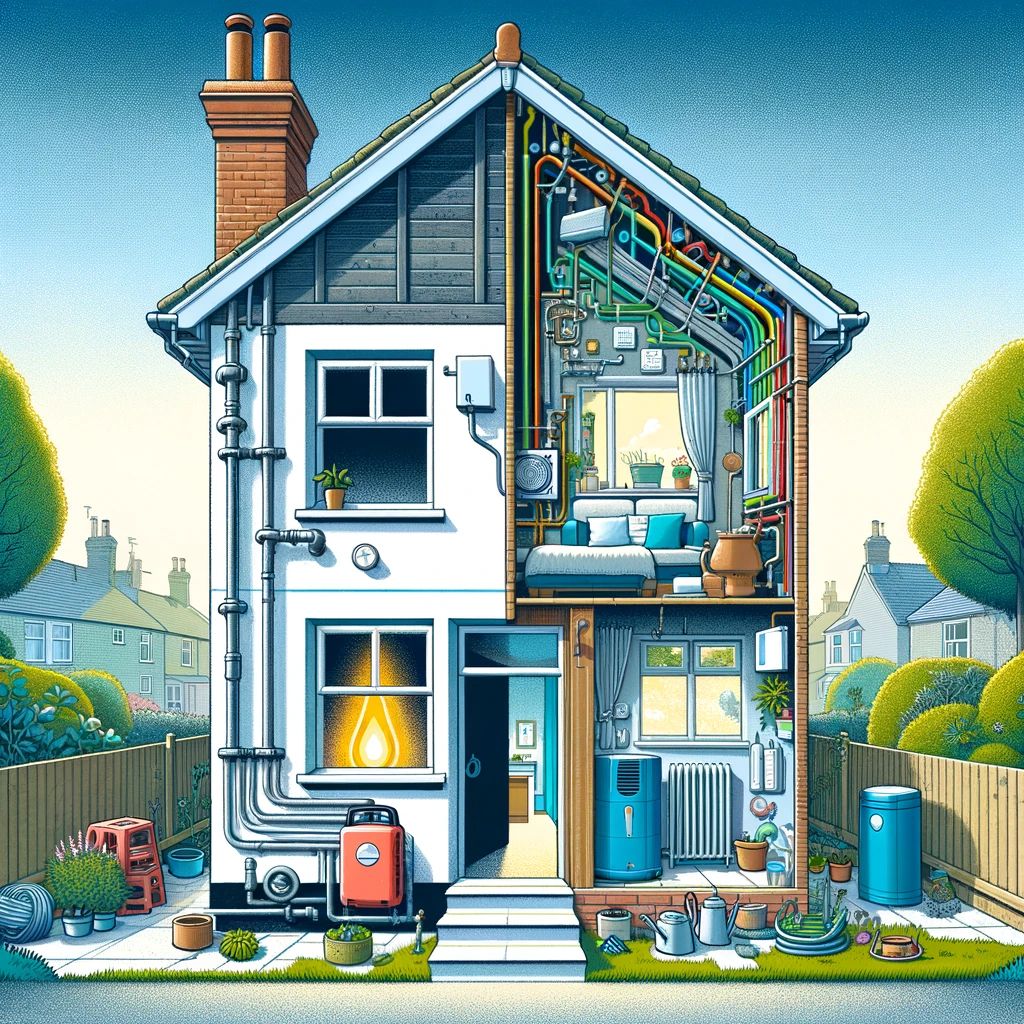
Full decarbonisation, involving a heat pump (£10k), new radiators (£5k), and improved insulation (£2k) is likely to cost £17,000. Almost exactly 100 years to pay back.
Even with a government grant of £7,500, we’re still at 56 years to pay back. You can only get this money if your house meets efficiency standards – so you must do the other works too.
The average house price in the UK is £288,000 so the cost of this improvement is around 3% of the value of the house. This is the way to make sense of the numbers. Is the house more valuable with the decarbonised system? I think so.
Unfortunately, this is still unlikely to be enough to encourage the 1 million homeowners per year that we need to shift to achieve Net Zero.
The government has some levers to make this happen faster: The 2023 Energy Act gave the energy minister powers to prevent the sale and rental of homes that did not meet energy efficiency standards but did not set a timetable for implementing this change. And over the next 10 years it’s going to become increasingly difficult to fit a gas boiler in a home, and they will be phased out of new homes even quicker.
A further option for the government is to increase the rate of stamp duty on homes that do not meet decarbonised standards, for a £500k house raising stamp duty from 5% to 10% would increase the amount payable by £12,500 (there is a zero-rate band to £250k) – enough to make fitting the heat pump attractive.
Perhaps these costs could be added to your mortgage to avoid the one-off hit, or perhaps it’s time to revisit the Green Deal, and a similar scheme for landlords?