A few conversations over the past couple of weeks about the best ways to heat homes in the future.
We could continue to use gas. In the UK about 75% of homes use gas. It is cheap, the supply is very reliable, and the cost of replacing boilers is a modest £2,000 with an expected life of around 20 years. But home heating accounts for about 40% of UK CO2 emissions, we cannot decarbonise our country without decarbonising our homes.
We could insulate our homes so that they are more efficient, a well-insulated home uses about 30% less energy, so we could reduce the UK’s carbon footprint by about 12% by better insulation. In all future home scenarios well insulated homes is essential, and we should be accelerating this.
If not gas, then what?
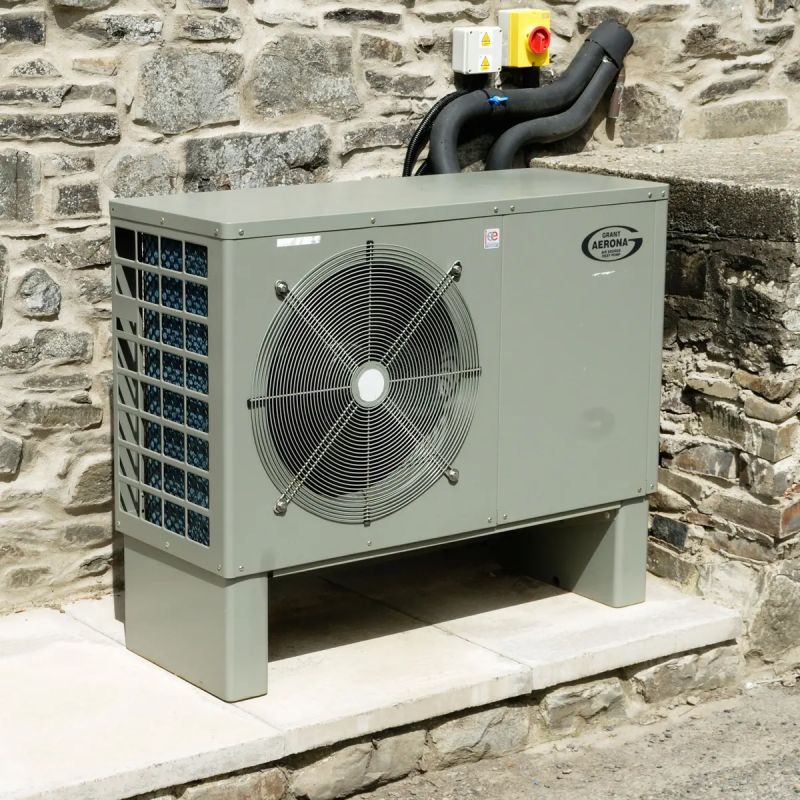
Heat pumps are the current favourites. But they are more expensive to buy than boilers, around £5,000, and cost about 40% more to run (because electricity is more expensive than gas). Many homes will also need larger radiators and better insulation adding to the cost. It’s easy to see why people are reluctant to switch. There is a £7,500 grant through the Boiler Upgrade Scheme available to soften the impact.
We don’t have enough qualified installers to fit heat pumps in homes right now. Last year the UK installed 55,000, it would take over 300 years at this rate, even at the government’s target of 600,000 by 2028 it will take over 30 years to replace all gas boilers. Mandating heat pumps in new homes is an obvious way to kick start this market.
There are about 4 million homes in the UK that have a good EPC rating and are owner occupied, these should be the target for the first wave, and it’s possible that these could all be done by 2030.
Heat networks are an intriguing opportunity, widely used on the continent, and the government is paving the way to wider adoption here.
The current political mood is that Hydrogen is not going to be used in homes.
A lot of government intervention (money and regulation) will be needed to kick start this market, and hopefully after the next election this will be top of the pile for the next Energy Minister.