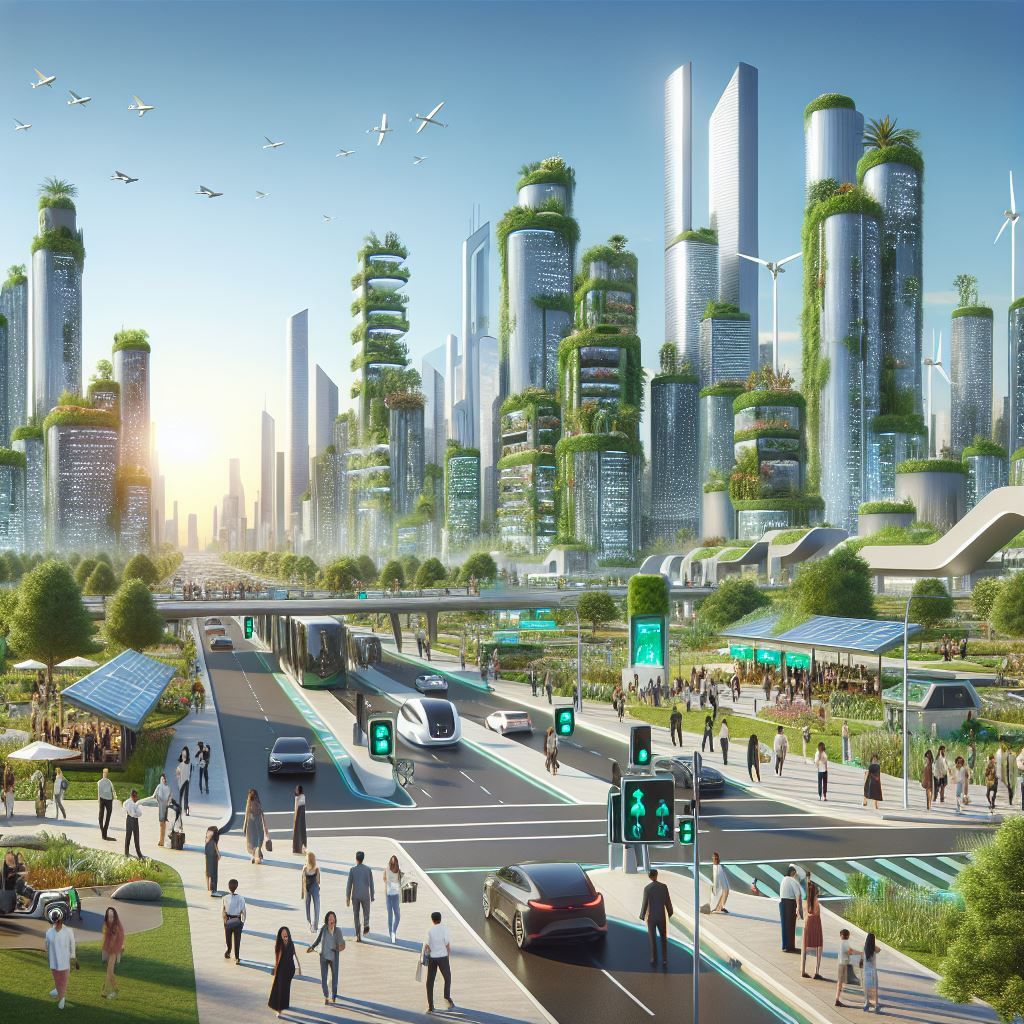
Net Zero is baked into our laws, most large companies and government organisations have made Net Zero commitments. But cracks are starting to show, the oil companies have backtracked, the broad political support of 5 years ago isn’t quite so strong, and people are more concerned about the cost of living than saving the planet for future generations.
A counter argument to Net Zero is that Europe’s emissions have just moved east, we’ve deindustrialised our economies and made ourselves dependent on fragile global supply chains. And despite our progress in greening electricity our economies are still 75% fossil fuel based and the world’s most expensive place to do business.
Should we abandon Net Zero, licence more oil and gas fields, follow a cheap energy policy and regain some industry before it is too late?
No we shouldn't, but more sophisticated targets are needed.
If we set a more realistic target for decarbonising industry, we could avoid shifting production east and retain jobs, maybe 2075 is possible?
In other areas we could be more aggressive, personal transport can be fossil fuel free at the point of use by 2035. A high percentage of electricity can be from renewables well before 2050. Mapping the path to decarbonising homes is perhaps the only one where 2050 is a realistic date.
This would give us a greater resolution for the accountability for NZ. It would also answer the critics who, perhaps correctly, point out that our current targets will bankrupt our economies and make us unnecessarily vulnerable.