Clean Power 2030 assumes that we will have a new fleet of gas-powered generation that only runs 5% of the time.
This is financial nonsense.
A typical 800MW gas fired (CCGT) plant would cost £700m to build, even with these costs spread over 20 years generation revenue is unlikely to provide an investable return. Funding it from the auction-based Capacity Mechanism, which was designed to ensure security of supply, is like using a screwdriver to hammer in a nail, it was never designed to be the primary funding source.
The message to investors is clear – build them but we’ll hardly use them - which is why no one is building CCGTs in the UK right now.
But people do want to build Data Centres and connection dates well into the next decade are a real problem for UK plc. Every year’s delay in building a data centre is lost revenue and GDP going elsewhere.
Perhaps we could put these two problems together.
Environmental regulations allow building CCGTs, their emissions are well below the 450g kWh limit, since February the rules have included the requirement to have the capability to connect to a CO2 abatement scheme (CCUS) but no requirement to attach – in practice this means having a larger site.
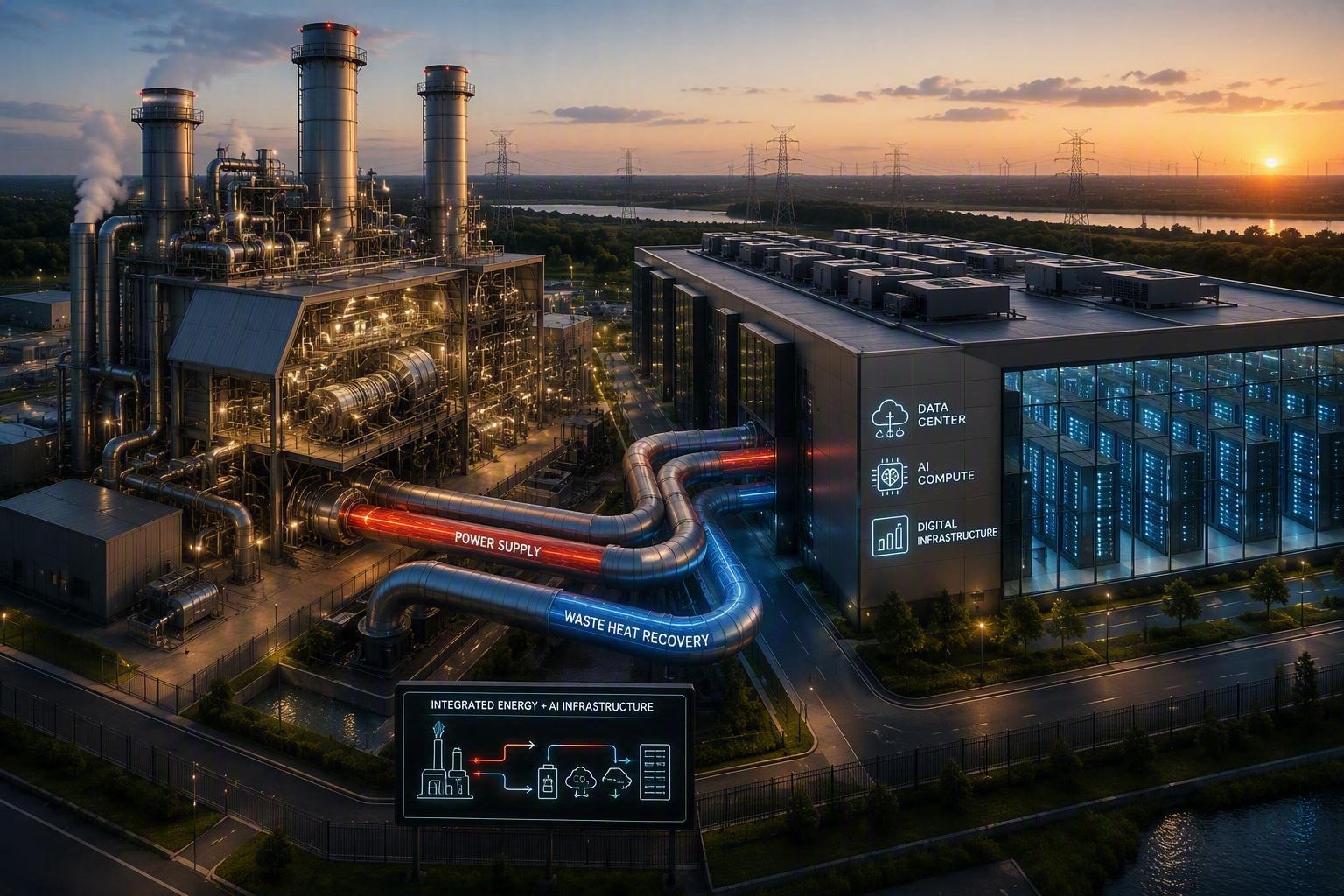
Imagine a developer builds a 200MW data centre alongside a 200MW CCGT. The gas plant powers the data centre immediately. Space is reserved for future CCUS infrastructure. A grid connection is secured for the mid-2030s.
By the connection date the data centre has largely paid for the generating asset, it’s the anchor tenant.
By then the investment cost of the CCGT is entirely written down by the data centre revenues and you sit on an asset with at least 12 years life left. A strategic reserve service which is central to CP2030 which the government may pay you handsomely for.
Instead of asking electricity consumers to fund rarely used gas generation through market mechanisms, perhaps we should allow high-value electricity consumers to fund it directly.
We may discover that the easiest way to finance the last gas plants Britain needs is not through the electricity market at all.
It may be through the AI economy.