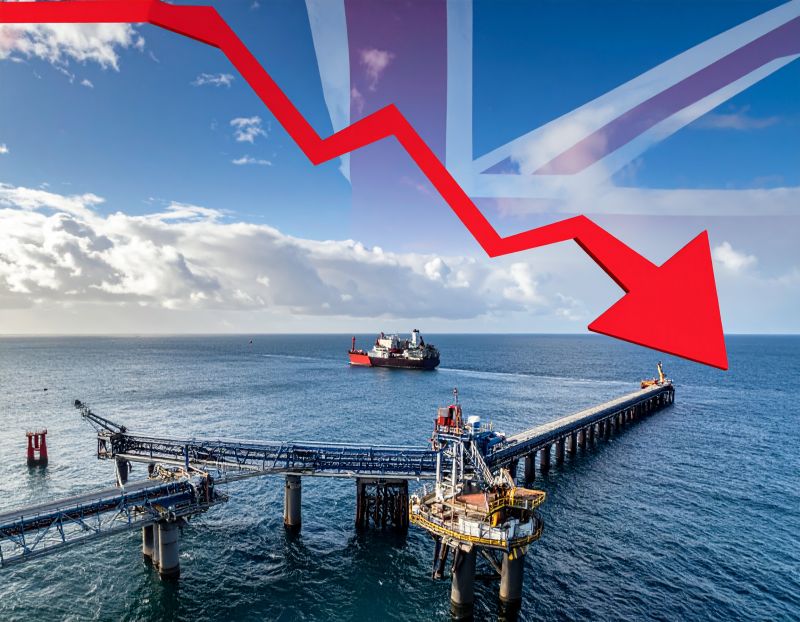
Production of natural gas from the North Sea has fallen by over 60% since the turn of the millennium, with about 70% of our gas now coming from imports. Analysis of current reserves suggests that the North Sea will run out of gas by 2040, from when we will be 100% reliant on imports.
Global uncertainty and increasing demand elsewhere is likely to result in higher gas prices than we have today. Evidence from the US and Germany suggests that low gas prices underpin successful developed industrial economies.
We have reduced our demand for gas by 30% since the millennium, mostly due to industrial slowdown. If we can accelerate the pace of decarbonisation faster than our gas runs out, then our exposure to global markets will reduce.
Opening new fields, like Rosebank, is a highly political topic, one side says that the UK must take a lead on climate issues and stick to its commitments and laws, another says that we’re committing industrial suicide by not having our own supplies, and yet another says that nothing is more damaging to the climate than imported gas so we should avoid this at all costs. There are no easy answers here.
An additional complication to this picture is that the price of gas drives the price of electricity in the UK, so higher global prices mean higher UK electricity prices in the UK.
Assuming that we are not about to either find or open a new massive gas field, the only way to remove our exposure to global gas prices is to reduce our use of gas. We use gas to generate electricity, heat homes and run businesses. Changing any of these is a big shift, we have 15 years to get the job done or face the consequences.
Perhaps we should be engaging people in this topic to bring them more onboard with the transition.