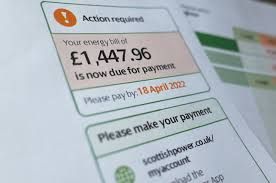
Amidst the extensive debate on Energy Market Reform there is a much-overlooked component, which is how the consumer pays for their energy.
The consumer tariffs are currently very simple, there are typically two components. The standing charge, which for me is about £87 per year, and a per kWh charge which is around 35p. Some people who have smart meters or Economy 7 meters have two rates per kWh, one during the day and one at night.
The recent Demand Response trial showed that there is an active market for more dynamic pricing. Over 1 million households signed up to be paid for reducing their consumption in peak periods.
Tariffs were simplified as there was a feeling that complex tariffs made it hard for consumers to compare prices and could lead to sharp practices where a deal was made to look cheaper than it was.
There are many more options:
Seasonal pricing – cheaper in summer than winter
Time of day – cheaper at night
Maximum demand charge – a component of the price linked to the highest 30 minute use period
Capacity charge – linked to the size of the cable coming to your home
Tiered pricing – a cost for the first x units, then a ramping up price for the next y, and so on.
Debt repayment – many households are also repaying previous debts through their tariffs at a set rate per month
There has also been a debate about replacing Prepayment Meters with a Social Tariff. This could be an extension of the tiered tariff concept – whereby the first units could be cheap, but there would be increasing charges for more use. The idea is that this would provide necessities at an affordable cost. As ever, this is a difficult area, what about the pensioner in the large house are we forcing them to move?
Linking Market Reform to Tariff Reform in my view is an essential step. We need an energy system where there is a link between the wholesale and retail market. The consumer mechanisms must always be fair and affordable, there is a strong case for a greater reflection of the wholesale market in the retail market and tariff reform is one way to achieve this.