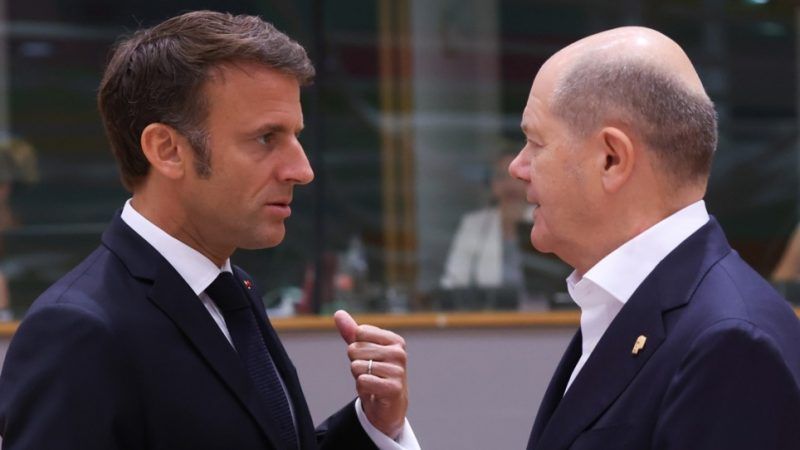
This week has seen a lot of tension between the French and German governments over the redesign of European Energy Markets.
As the European Energy System becomes more physically integrated, as prices are generally moving together and remain high, as massive renewable investment is needed, and as geo-political pressures impact all markets, there is a case for Europe to walk together towards market reform. The theory is that similar structures will serve all consumers and allow fairness between states.
The current system is based on Marginal Pricing. This means that the cheapest way of meeting consumer demand is normally the one chosen. This system enables cross border energy flows and trading and should stimulate investment where it is needed. This system is likely to remain in place in all future models. It’s a free-market mechanism that has only needed state support in times of crisis.
A key point of contention is whether existing nuclear energy should be eligible for the proposed additional Contracts for Difference mechanism (a system where the producer gets the same price regardless of the marginal price). This can amount to state aid – if prices are below the agreed price, then the difference is paid by the government (or a market mechanism like the LCCC in the UK). Paris is threatening to go it alone, whilst others say that this will distort the market.
An alternative mechanism under consideration is PPAs – Power Purchase Agreements, which are long term contracts between a producer and consumer for energy at an agreed price. These are becoming more widespread as consumers seek to limit their exposure to market prices. No state aid here, and these can give investors confidence in building renewable assets.
My view is the investment needs should be the winning argument. The money should flow to where the green investment can be placed, so all mechanisms should be available for any low carbon investment.