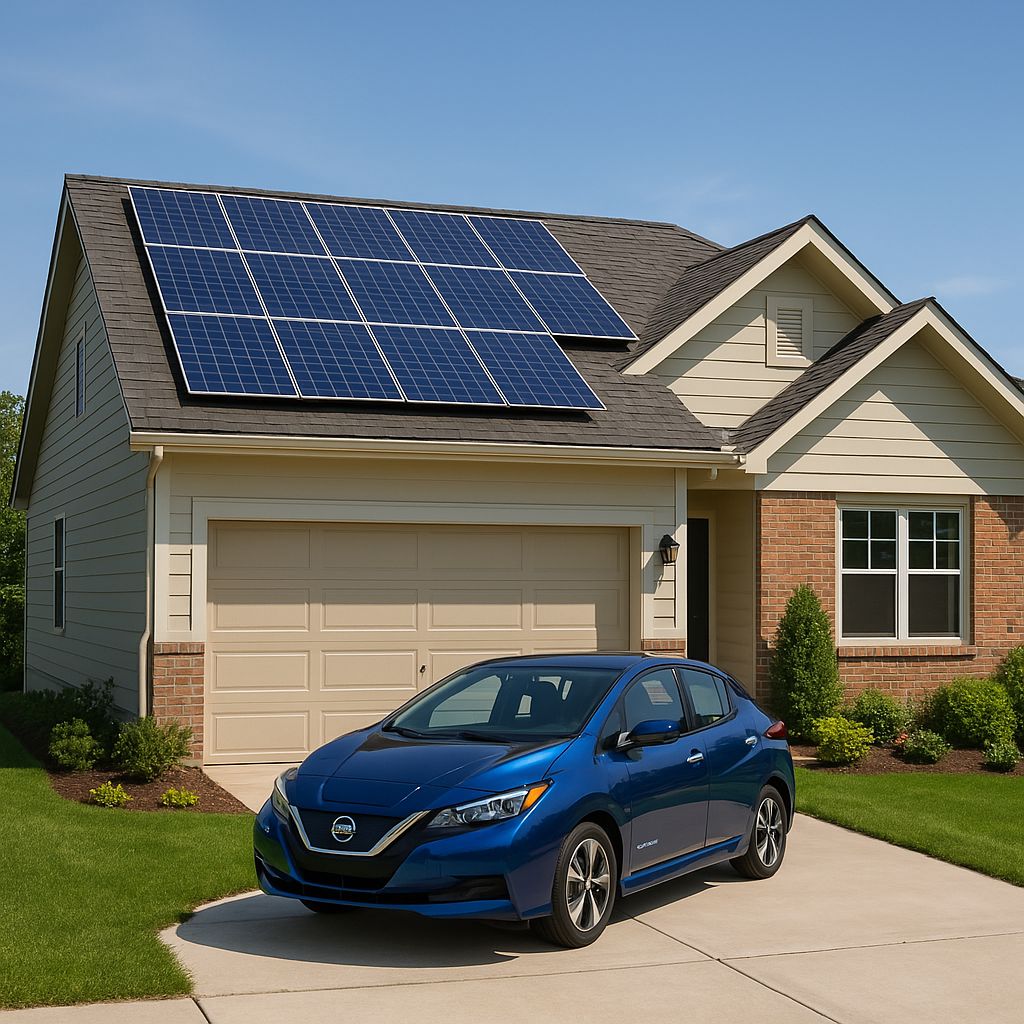
Last month Ed Miliband announced plans to put solar panels on the roofs of every new house. Ed promises £500 off bills as a result, which at today’s prices means the panels would be generating around 1,800 kWh per year. The average household consumption in the UK is around 2,700 kWh (around 7 kWh per day), so this would cover two thirds of use. If the cost is about £2000, then that’s a 4-year payback period. In the UK a 400W panel will generate about 500 kWh per year, so each of Ed’s new homes will need between 3 and 4 panels. Each is 1.6m x 1.0m so that’s possible.
Alternatively, we could put a battery in every new house.
A Telsa Powerwall 3 battery has a capacity of 13.5 kWh, which if charged overnight to cover the average use of 7 kWh at 7p per kWh would save £1.40 per day or £500 per year based on a peak rate of 27p. But the cost of the battery is much higher at around £7000, giving a 14-year payback period.
This shows the importance of correctly sizing battery systems, a smaller 7 kWh battery would be sufficient, could cost around £4,000 and have an 8-year payback period.
An option suggested to me this week was to put a Nissan Leaf on the drive. £8,000 buys a used 2022 model which comes with a 40 kWh battery. At this battery size the household can get even better returns by exporting cheap overnight electricity back to the grid at peak times. Cycling through the extra capacity each day could result in a profit of around £900 per year, which when added to the £500 day-night saving gives an annual profit or saving of £1,400 per year, reducing the payback period on the Leaf to just under 6 years.
If households are able to participate in flexibility services, then the returns from the battery could be even higher. Grid operators are willing to pay handsomely for flexibility services that are available when the grid is under stress.