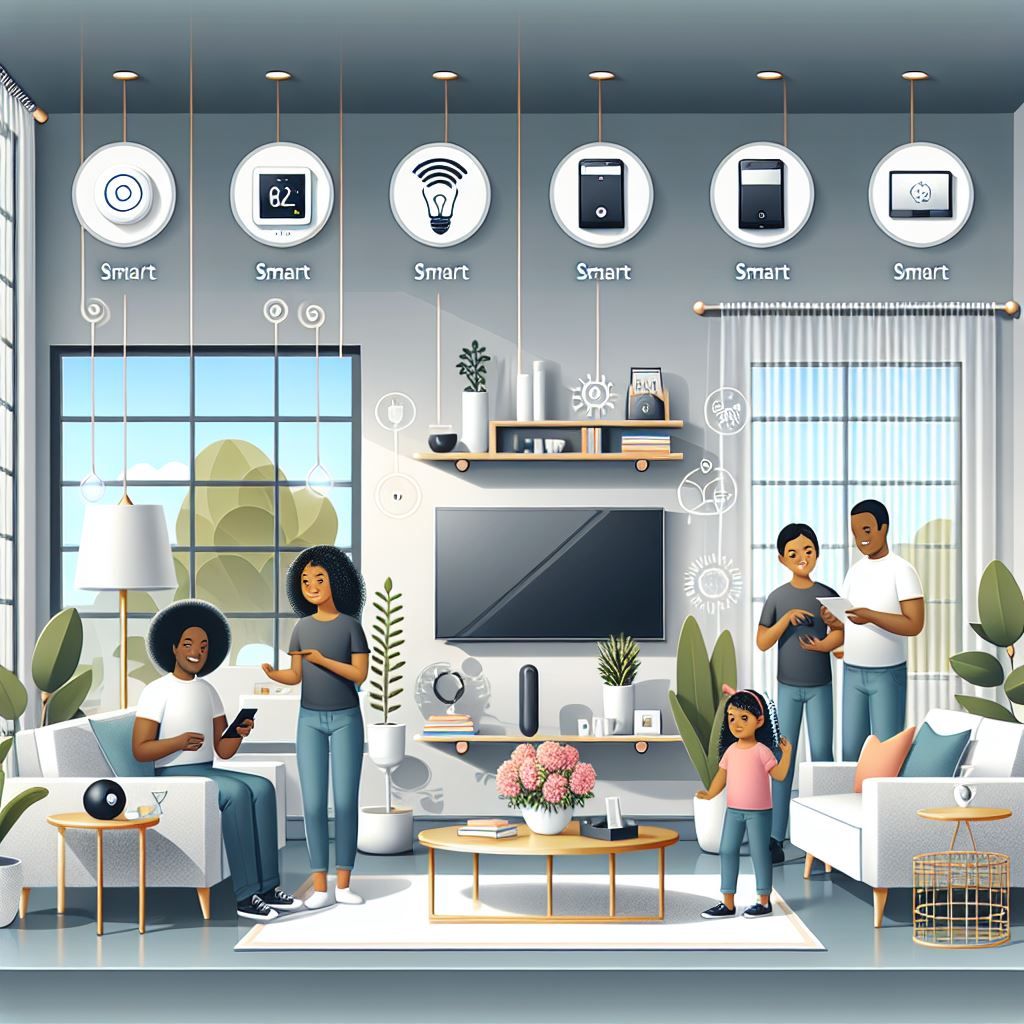
Our homes used to be simple to control, set the timer, set the thermostat and forget it. But now we live in more complex times, we also have solar panels on the roof, and EV in the drive, a battery attached to the garage, multi-rate tariffs. We might get paid for exporting solar or discharging our battery to the grid or reducing or increasing demand at certain times.
Optimising this is too complex for humans, and what would we optimise for – lowest price, lowest carbon emissions, greatest convenience (like always having the EV charged and a tank of hot water)?
Technology is the answer to this challenge. It can make thousands of decisions every second, learn your preferences and optimise your home, it can even allow you to change your preferences depending on the time of day.
To make this system work we need our devices work together, and this is a major challenge. It requires the equipment manufacturers to adopt interoperable standards.
Despite many efforts no universally agreed standards have emerged.
Many are trying, and the Mercury Consortium launched by Octopus looks to be making good progress in establishing the common language between devices.
The UK government has established the Smart and Secure Electricity System (SSES) consultation, which includes the concept of Energy Smart Devices that can be controlled remotely by licenced parties and participate in energy markets.
An alternative approach is to allow manufacturers to adopt their own standards and to provide a multi-lingual adaptor that can talk to all.
Security is a key concern, if someone gains access to everyone’s devices they could bring the nation to a standstill. Costs need to be reasonable; a smart fridge is about £500 more expensive than a dumb one. People don’t like their homes being controlled so there is a huge question of trust that needs to be addressed. It also needs to be super simple to use.
Unless we rapidly address these points the role of the home in decarbonisation will be limited.