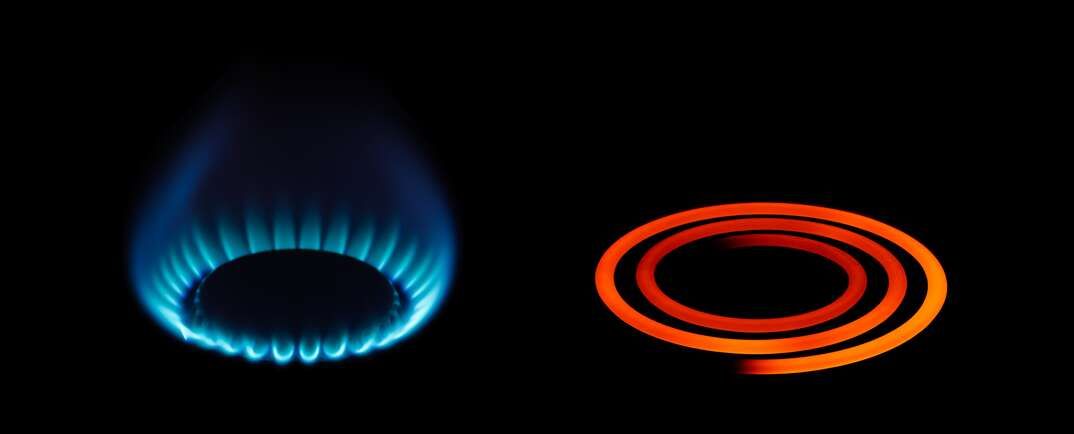
The UK price for electricity is around 26p per kWh, and gas is around 7p per kWh, so gas is 3.7 times cheaper. The standing charge is also half as expensive.
For electricity, roughly 60% of the bill is the actual energy cost, the rest is network charges, retailers’ costs, green policies, and VAT, the gas bill is similar (around 50% energy costs).
About half of our electricity comes from gas in CCGT plants and these are about 50% efficient, so every unit of electricity needs two units of gas, making electricity twice as expensive as gas when it leaves the power station. Due to our System Marginal Pricing (SMP) mechanism this effectively sets the price for all electricity. Also, 10% of electricity is lost due to cable warming and transformers. (Gas also has some losses)
This doesn’t quite explain the 3.7 times more expensive.
There are fewer green charges on the gas bill, which makes about 20% the difference. Moving some of the ‘green crap’ to the gas bill is attractive, and it might increase the pace of switching away from fossil fuel boilers, but do we really want to make heating homes more expensive?
I doubt that retail company profits could account for the difference as no one makes real money from being a retailer, and these are similar between electricity and gas.
The dynamics of the system are different between gas and electricity. Electricity is harder to store, needs real time balancing, you can’t pump enough electricity in overnight and hope that it will cover the usage for the day. There are thousands of uses of electricity and only really three domestic uses for gas (heat, water, and cooking).
A big part of the answer comes from the way that electricity is traded. Market players need to hedge against the risk of a trading imbalance, if supply doesn’t equal demand, there are penalising costs. The cost of this is passed on to customers. A similar mechanism exists in gas, but the nature of hedging is different.
Is it fair to compare the two prices? Perhaps we are comparing potatoes and chips?