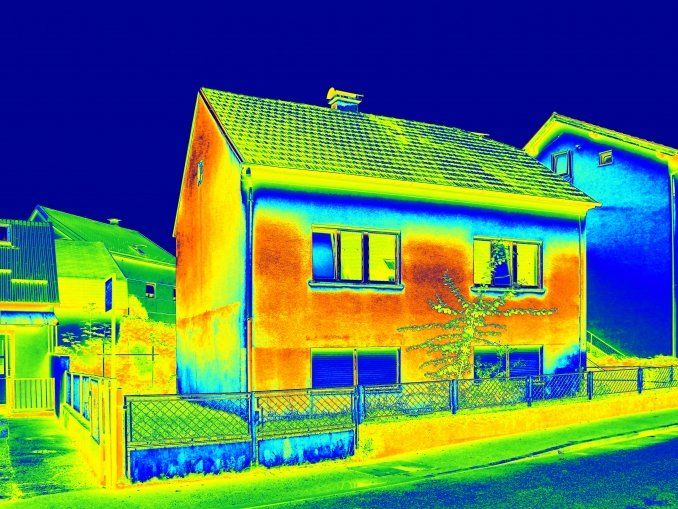
It is not surprising that the age of your house determines its energy efficiency, new homes have been built to better standards. If your house was built before 1930 its likely to have an EPC (Energy Performance Certificate) performance rating of E, whereas a modern house is likely to be B. The difference in annual energy costs could be around £600 for a three-bed semi.
The rates of installation have fallen off a cliff since 2012, we have lost a decade where we have gone from over 1 million installations to around 100 thousand. That is 10 million homes that could be better insulated had the rates been maintained. Each could be saving £600, which is £6 billion per year in savings – which in context is 2% of GDP and about 12% of all spending on energy.
The payback period for insulation depends on the price of energy, today it is around 10 years. It is something that you should do as soon as you move in, as you are unlikely to do it the year you are looking to move out. Assuming your average 3 bed house has 10 windows it will cost about £6000 to install double glazing, roof, and cavity wall insulation.
The current way to find out how efficient your house is via an EPC, which gives you a score from A being a home that heats itself to G which is an open barn. This scheme has many flaws. The recent Skidmore report has called for it to be replaced with a Net Zero Performance Certificate (NZPC). Anyone that has tried to get an EPC certificate will be intimately familiar with the current scheme’s shortcomings.
In November, the government announced a new £1bn ECO+ insulation scheme, which upgrades the previous ECO (Energy Company Obligation) as it removes the need to be on benefits to qualify. The government says that £1bn is enough for 410 thousand homes – about £2500 per home.
We need to shift homes to clean energy sources, and if this is a heat pump then a well-insulated home is important to the efficiency of the system.
The entire system needs a strong dose of steroids to kick start the market, reform of EPCs, and better targeting of energy scheme money (we did not all need £400). This will help to insulate the UK from future energy price shocks.